Glossary
of Terms
Glossary of Terms
Welcome to our jargon buster of industry and repair process terms
Vehicle repairs can involve unfamiliar or technical language, so we’ve put together this simple glossary to help you understand the terminology used in our industry and as part of the repair process.
It’s part of our commitment to transparency, helping you feel informed, confident and supported at every stage of your repair journey.
From common repair terms and abbreviations to specific processes, this glossary explains some of the language you may encounter.
-
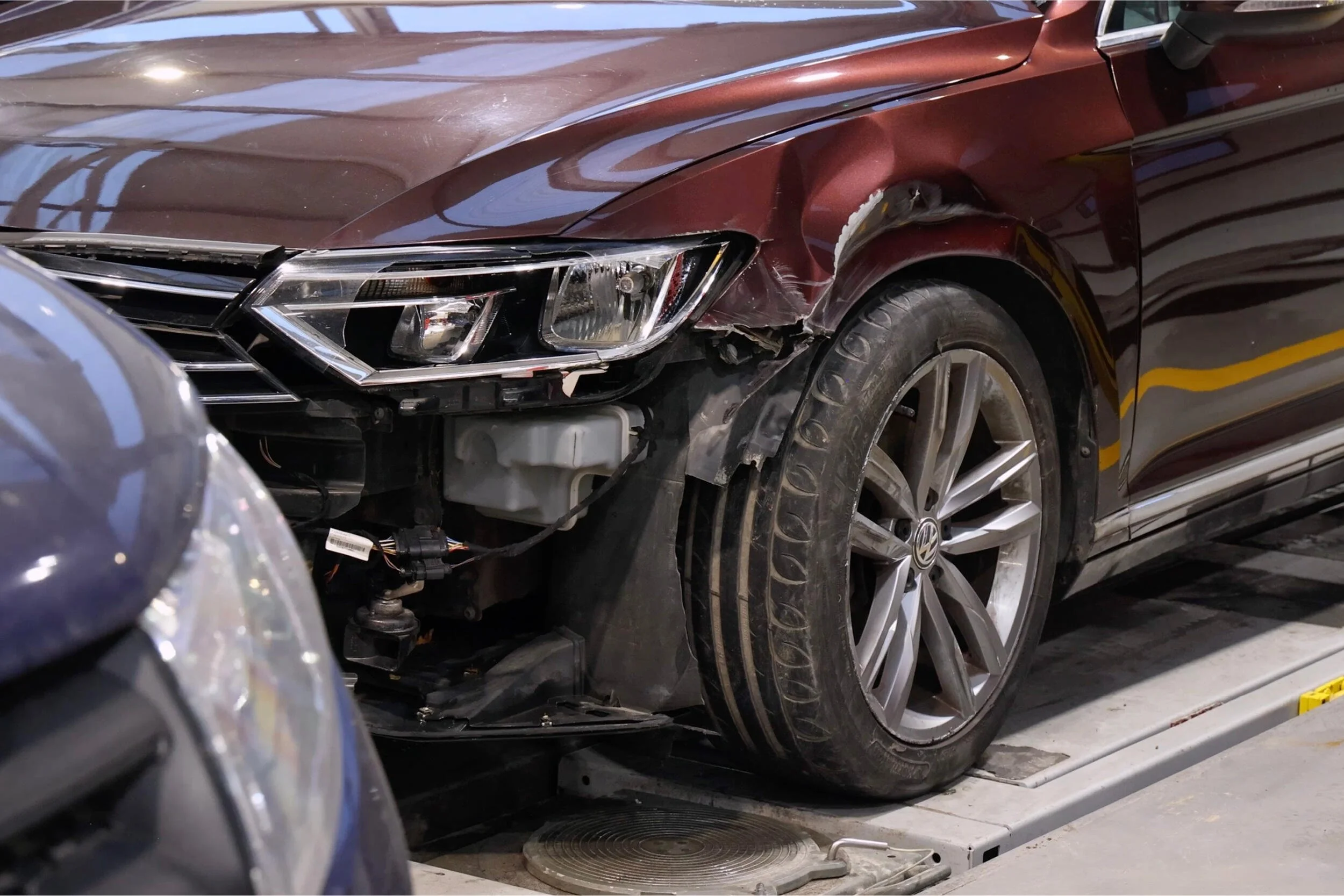
Damage sustained by a vehicle as a result of a collision or accident. This can range from minor cosmetic damage to significant structural damage requiring specialist repair.
-
ADAS is short for Advanced Driver Assistance Systems. This refers to the safety and driver assistance systems fitted to many modern vehicles, including lane assist, adaptive cruise control, blind-spot monitoring and emergency braking.
These systems use cameras, radars and other sensors to help keep you safe on the road. Following certain repairs, ADAS systems may need to be checked and recalibrated to ensure they continue to operate correctly and safely.
Note: ADAS Calibration is only available as part of our collision and other repair work where required. We don't offer ADAS Calibration as a standalone service.
-
Maintenance or repair of your vehicle’s air conditioning system to ensure it operates efficiently. This can include checking the system and re-gassing where required as part of a vehicle repair in order to provide airflow and cooling inside the vehicle.
Note: Air conditioning servicing and re-gassing are available as part of our collision and other repair work where required. We don't offer air conditioning servicing or re-gassing as a standalone service.
-
An aluminium repair is a specialist type of repair carried out on aluminium vehicle panels or structural components. Aluminium requires different tools, equipment, repair techniques and specialist training compared with traditional steel repairs.
Note: If your vehicle requires a specialist aluminium repair, our technicians will identify this during your vehicle inspection. Our trained technicians will then use the appropriate manufacturer-approved repair methods and to ensure your vehicle is repaired correctly.
-
An insurance-appointed professional who assesses the damage to your vehicle and determines the repairs required as part of an insurance claim. The assessor works closely with us, the repairer, and your insurer to help establish the scope and cost of the repair.
-
A specialist vehicle repair facility where damaged vehicles are inspected, repaired, painted and returned to their pre-accident condition. As a modern bodyshop, Dennings uses manufacturer-approved repair methods, specialist equipment and trained technicians for all vehicles that enter our bodyshop.
-
The repair or replacement of damaged front or rear bumpers following cosmetic or collision damage. Depending on the extent of the damage, a bumper may be repaired or replaced using manufacturer-approved parts and methods.
-
The process of checking, resetting and testing vehicle systems and sensors such as ADAS (Advanced Driver Assistance Systems) features, front and rear facing cameras, parking/radar sensors and headlights to ensure everything is functioning correctly following certain types of repair work.
Note: ADAS Calibration is only available as part of our collision and other repair work where required. We don't offer ADAS Calibration as a standalone service.
-
The process of checking and, where necessary, correcting the alignment of your vehicle's chassis or structural frame following an accident. Specialist equipment is used to ensure the vehicle's structure is returned to the manufacturer's specified measurements.
-
The process of reporting damage to your vehicle to your insurance provider if you’ve been in an accident. Your insurer will require the damage to your vehicle to be assessed and, where covered by your policy, the associated repair costs authorised.
-
A convenient service where your vehicle is collected from an agreed location. We can collect your vehicle and transport it to Dennings for an inspection or in preparation for its scheduled repair.
Note: We offer vehicle collection and recovery in and around the Dublin area, usually within 24 hours of your enquiry. We'll always do our best to reach you and your vehicle as promptly as possible. For many insurance claims, recovery costs are covered by your insurer. If you're unsure what your policy includes, simply get in touch and our friendly team will be happy to explain your options and arrange recovery for you.
-
The process of repairing damage caused by an accident or collision. Repairs can range from relatively minor cosmetic damage through to more extensive panel, mechanical or structural repairs.
-
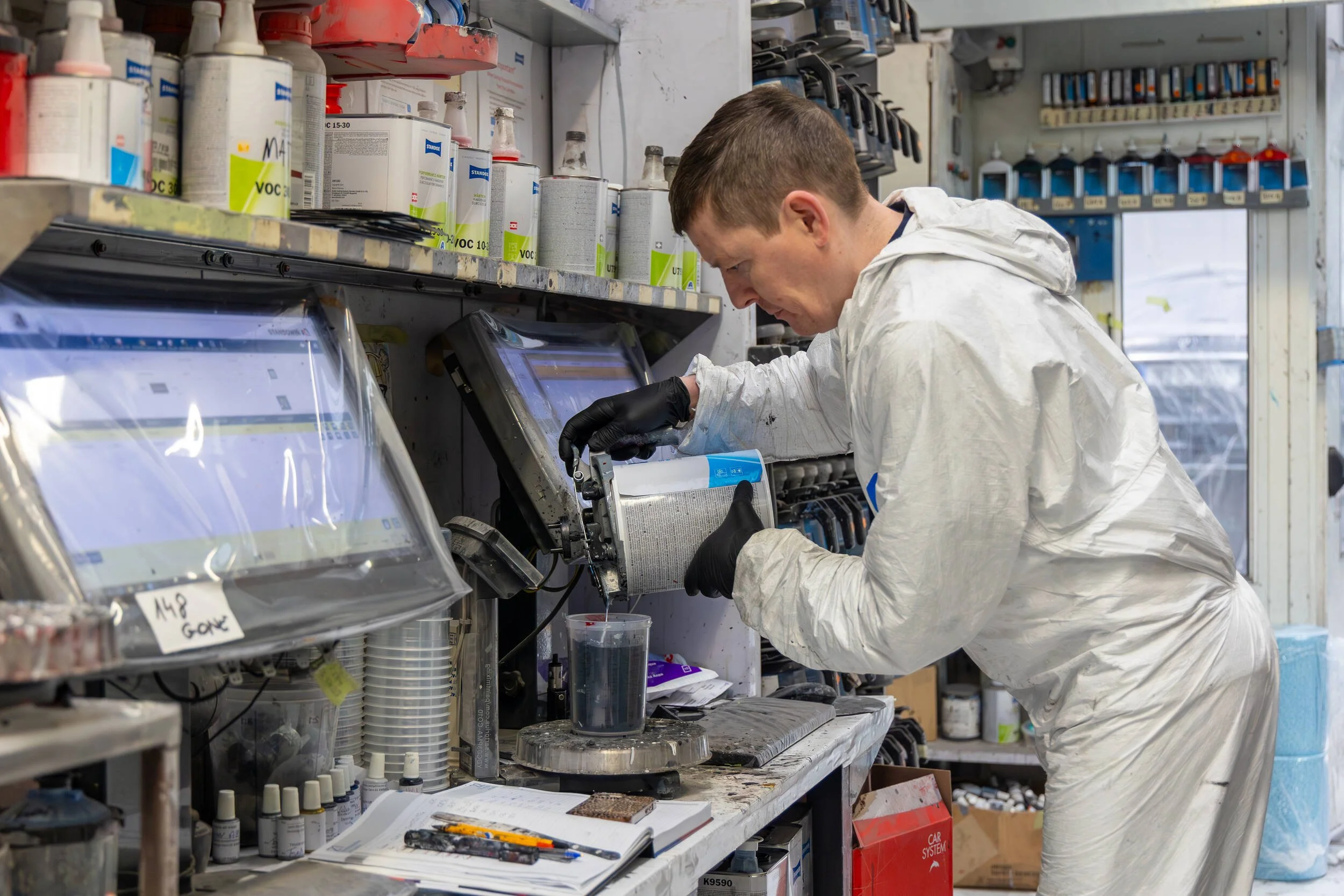
The process of accurately matching your vehicle's existing paint colour when carrying out a repair. Modern paint-matching technology and colour databases help our technicians achieve a seamless match between repaired or repainted panels with the rest of the vehicle.
-
Repairs carried out on vans and other light commercial vehicles, ensuring they are safely returned to the road while helping keep businesses moving while minimising downtime for required repair work.
-
Repairs that improve the appearance of your vehicle such as scratches, dents or other minor damage that does not affect the vehicle's underlying structure.
-
CSS (Certified Steel Standard) is the Irish national vehicle body repairers standards programme developed by SIMI (Society of the Irish Motor Industry). A CSS-certified repair centre has passed an independent annual audit to demonstrate qualified personnel, approved equipment, traceable processes, and repairs carried out to the highest safety and quality standards.
To find out more about CSS, visit SIMI’s CSS information page ↗
-
A computerised check of your vehicle's electronic systems using specialist diagnostic equipment. A diagnostic scan can identify stored faults, warning messages and system issues, and can help determine whether recalibration or further checks are required following a repair.
-
The careful removal of damaged panels, components, trim and other parts from your vehicle. Disassembly allows our technicians to access the areas requiring repair and, where necessary, identify any additional damage that may not have been visible during the initial inspection.
-
Specialist repair work carried out on fully electric vehicles. EV repairs can involve high-voltage electrical systems and require appropriate technician training, safety procedures and specialist equipment.
-
An estimate is an indication of the anticipated cost of repairing your vehicle, including parts, labour and any associated work required for both private and insurance repairs.
Note: Following an inspection of your vehicle, we'll provide you with an estimate for your review. For insurance repairs, we can submit the estimate directly to your insurer for review and authorisation. The estimate must be approved by you or your insurer before any work begins.
-
The amount you may be required to pay towards an insurance claim, depending on the terms of your insurance policy. The remaining eligible repair costs are handled in accordance with your insurer's claim process.
-
The process of checking and adjusting the alignment of all four wheels on your vehicle. Correct wheel alignment helps maintain safe handling, even tyre wear and the correct positioning of your vehicle on the road.
Note: Four-wheel alignment is available as part of our collision and other repair work where required. We don't offer four-wheel alignment as a standalone service.
-
The process of checking and adjusting your vehicle's headlights to ensure they are correctly positioned and provide the appropriate level and direction of illumination without dazzling other road users.
-
Specialist repair work carried out on performance, premium or high-value vehicles. These repairs can require advanced equipment, specialist knowledge and manufacturer-specific repair procedures to ensure the vehicle is restored correctly.
-
A vehicle that combines a conventional petrol or diesel engine with an electric motor and battery system. Hybrid vehicles require specialist knowledge, training and equipment to safely work on both their conventional and high-voltage electrical systems.
-
A detailed assessment of the damage to your vehicle, often carried out on a ramp for a thorough assessment, to determine the full extent of the damage and the repair work needed.
Note: To provide you or your insurance company with an accurate estimate for the required repair work, we need to inspect your vehicle in our estimating bay, where the damage can be thoroughly assessed by John or one of our qualified technicians.
-
A bodyshop like Dennings that has been approved by an insurance company to carry out vehicle repairs on its behalf. Approval generally requires a repairer to meet the insurer's requirements for quality, equipment, processes and customer service.
-
Confirmation from your insurer that the estimate and proposed repairs have been assessed and authorised under your insurance claim. Repairs can generally proceed once the required approval has been received.
-
A specialist structural repair process used to accurately restore a vehicle's body or chassis following significant accident damage. A vehicle is secured to a specialist jig, allowing technicians to measure and return the structure to the manufacturer's specified dimensions.
-
A guarantee that covers repair work for as long as you own the vehicle, giving you confidence and peace of mind in the quality of the work carried out.
Note: Dennings provides a lifetime guarantee on all repair work, meaning your repair is covered for as long as you own the vehicle. Our lifetime guarantee reflects the confidence we have in the quality of our workmanship and the high standards we work to every day.
-
A bodyshop or repairer that has been officially approved by a vehicle manufacturer to carry out repairs to its vehicles. Manufacturer approval recognises the use of approved repair methods, specialist equipment, training and procedures designed to meet the manufacturer's standards.
-
The specific repair procedures and techniques provided or approved by a vehicle manufacturer for repairing its vehicles. Following these methods helps ensure repairs are carried out safely and correctly, while maintaining the vehicle's intended specifications.
-
A vehicle is considered non-roadworthy when damage or a fault affects its safety, structural integrity or ability to be driven safely on public roads.
Note: If your vehicle is not safe to drive following an accident, we can help arrange its recovery to our workshop for inspection and repair. If you're unsure whether your vehicle is safe to drive, please contact our team before attempting to drive it.
-
A non-runner is a vehicle that cannot be safely started or driven, often as a result of accident damage or another fault. A non-runner may require specialist recovery or transportation to reach the repair centre.
Note: If your vehicle does not start for whatever reason or not safe to drive following an accident, we can help arrange its recovery to our workshop for inspection and repair. If you're unsure whether your vehicle is safe to drive, please contact our team before attempting to drive it.
-
OEM is the abbreviation for Original Equipment Manufacturer. This refers to the genuine OEM components and parts manufactured for that vehicle and are designed to meet the manufacturer's specifications for fit, compatibility and performance.
OEM refers to parts made by the original manufacturer of your vehicle. Using OEM parts ensures compatibility, safety, and maintains your vehicle to its original factory standards.
-
Pant curing is the process of allowing newly applied paint to dry and harden under controlled conditions. Our spray booths provide the controlled temperature and environment needed to achieve a durable, high-quality finish.
-
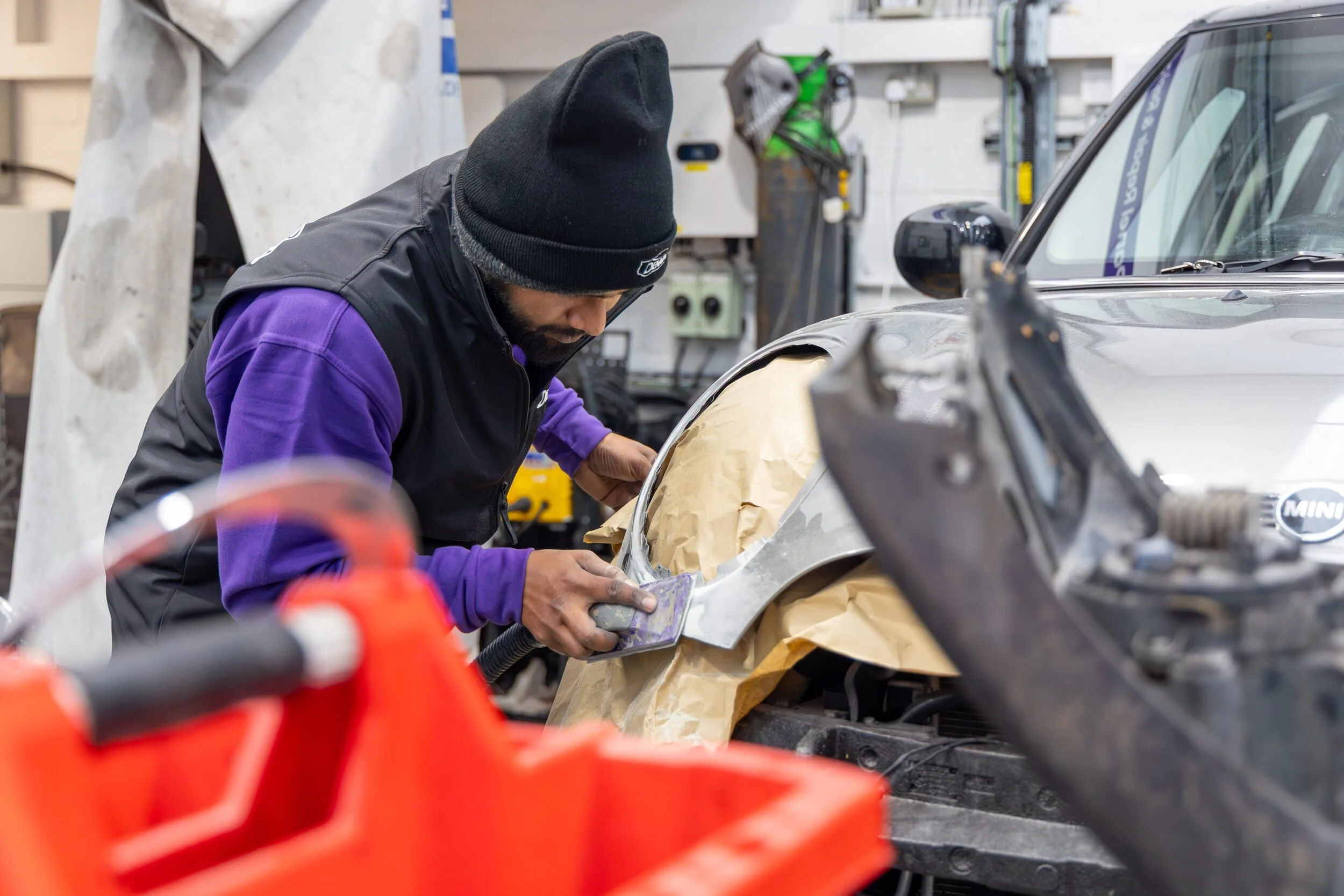
The preparation carried out before a vehicle is painted. Generally this consists of sanding, filling, masking and priming the repaired area or replacement parts to create a smooth, clean and suitable surface for the final paint finish.
-
The process of repairing damaged vehicle panels where possible or replacing them where required. The appropriate approach depends on the extent and location of the damage and is carried out using suitable repair methods and parts.
-
The removal of a damaged panel and installation of a replacement panel. Where required, genuine OEM (Original Equipment Manufacturer) parts and approved repair methods are used to restore the vehicle's appearance, fit and structural integrity.
-
A preparatory coating applied to a repaired surface before the final paint layers. Primer helps provide adhesion, protect the underlying surface and create a smooth foundation for the paint finish.
-
The final inspection process carried out before your vehicle leaves our workshop. Repairs are checked against the required work and job card to ensure everything has been completed correctly and the vehicle meets the high standards before being returned to the customer.
-
The process of refitting the panels, trim, lights, components and other parts that were removed during the repair. Any required diagnostic checks, alignment or system recalibration can also be completed during this stage.
-
The process of restoring a vehicle's painted finish following repair work. This includes preparation, colour matching, painting and finishing to achieve a high-quality result that blends with the surrounding vehicle.
-
A term used to describe whether a vehicle is safe and legal to drive on the road. Following an accident, a vehicle may be deemed ‘non-roadworthy’ if any damage affects its safety, performance, or ability to meet legal road standards.
-
SIMI is short for the Society of the Irish Motor Industry. SIMI is the official representative body for the motor industry in Ireland, supporting dealers, repairers, distributors, and other automotive businesses nationwide. SIMI also oversees industry standards and initiatives such as the CSS programme to help ensure safe, high-quality vehicle repairs.
To find out more about SIMI, visit their website:
-
The process of applying automotive paint to a repaired or replacement panel using specialist spray equipment and in a controlled spray booth. Paint is accurately colour matched and applied in controlled conditions to achieve a durable, high-quality and factory-like finish.
-
Repairs carried out to the structural parts of your vehicle following significant accident damage. Structural repairs are particularly important for vehicle safety and must be carried out using appropriate equipment, measurements and manufacturer-approved repair methods.
-
The stage where your repaired vehicle is returned to you. Before handover, the completed repair is quality checked and your vehicle is valeted as part of our service. A member of our team will then talk you through the work carried out and make sure you're happy before handing back the keys.
-
The safe transportation of a vehicle that cannot be driven or is not considered roadworthy. Recovery may be required following an accident or other incident, and the vehicle can be transported to our workshop for assessment and repair.
Not sure what something means?